Essential Pages Every Small Business Website Must Have
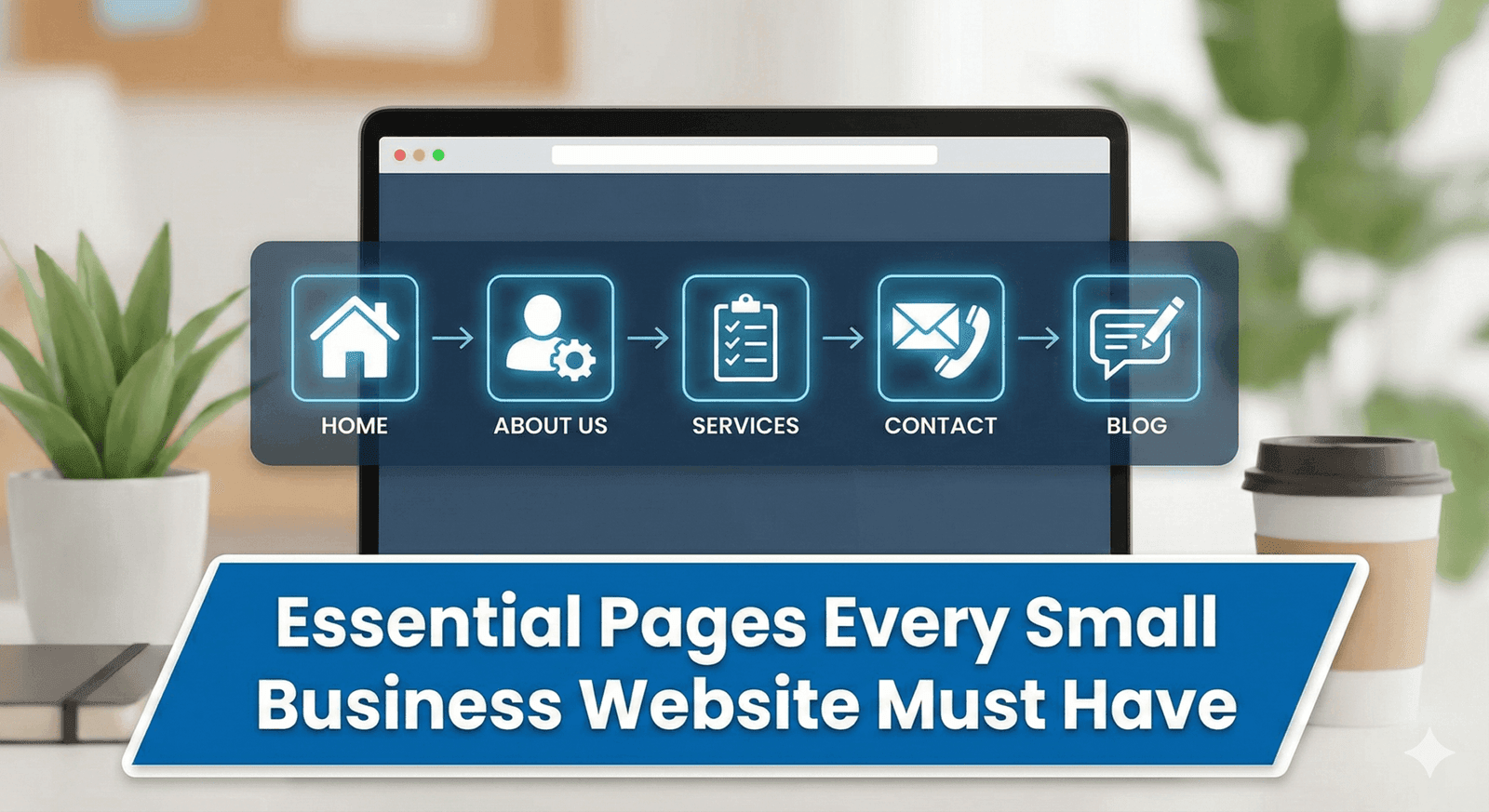
Introduction to Small Business Websites
In today’s digital landscape, the importance of a well-structured website for small businesses cannot be overstated. A business website serves as a vital digital storefront, providing an array of essential information to potential customers. It offers a platform for businesses to showcase their products or services, share their brand story, and connect with their audience in a meaningful way. Without a robust online presence, small businesses may struggle to compete in an increasingly digital marketplace.
A quality website bridges the gap between a business and its customers, acting as a first point of contact. It plays a crucial role in establishing credibility and trust, offering consumers the assurance they need to engage with a brand. For many customers, their initial impression of a company is based primarily on its website. Therefore, it is imperative for small businesses to invest in a website that not only reflects their identity but also meets the expectations of their target audience.
Furthermore, an effective small business website enhances visibility, making it easier for potential customers to discover the business through search engines. By incorporating essential website pages, such as contact information, service or product descriptions, and customer testimonials, businesses can effectively convey their value proposition. This strategic presentation of information can significantly influence customer decisions, leading to increased engagement and higher conversion rates.
In summary, having a purposeful online presence is essential for small businesses. It not only facilitates customer interaction but also serves as a comprehensive tool to convey essential business information. The following sections will delve into the specific essential website pages that every small business should consider to enhance their website’s effectiveness and overall impact.
Home Page: The Face of Your Business
The Home Page of a small business website acts as the initial point of contact for potential customers, making it crucial for crafting a positive first impression. This essential website page should communicate the brand’s core values and offerings instantly, facilitating user engagement from the outset. Including a clear value proposition on the Home Page allows visitors to quickly understand how your business can meet their needs or solve their problems. This statement should be prominently displayed, ensuring that it captures the essence of what makes your business unique.
To enhance the visual appeal of the Home Page, incorporating engaging visuals, such as high-quality images or videos, can significantly improve the user experience. These elements not only draw attention but also help convey your brand message in a more compelling way. In addition to aesthetic considerations, the layout should support intuitive navigation, allowing users to find the information they seek without unnecessary difficulty.
Optimizing the Home Page for both user experience and search engines is another vital aspect that should not be overlooked. Implementing responsive design ensures that the website functions seamlessly across various devices, catering to the increasing number of users accessing sites via mobile. Moreover, integrating essential keywords relevant to your business throughout the Home Page can enhance visibility on search engines, thus driving organic traffic.
In summary, the Home Page is not just the face of your business; it is the linchpin that can either captivate your audience or drive them away. By focusing on a clear value proposition, appealing visuals, and user-friendly navigation, businesses can effectively engage visitors and encourage them to explore further into their website, ultimately leading to increased customer conversions.
About Us: Telling Your Brand Story
The About Us page is a fundamental component of essential website pages for small businesses, as it plays a pivotal role in establishing trust and creating a connection with potential customers. This page serves not only as an introduction to the business but also as a platform to articulate the brand’s mission, vision, and core values. By effectively communicating these elements, businesses can foster a sense of familiarity and transparency that is crucial for customer engagement.
When crafting the About Us page, it is important to share your brand story in a manner that resonates with your target audience. This narrative should reflect your passion, the journey of your business, and the problems you aim to solve. Including personal anecdotes or insights can help humanize your brand and make it more relatable, thereby enhancing emotional connections with visitors. Unpacking the motivations behind the establishment of your business not only informs customers but also allows them to feel a part of your journey.
Additionally, introducing the team behind the brand can significantly enhance credibility. Providing bios, photos, and roles of key team members showcases the diverse talents and expertise within your organization. This transparency can assuage customer uncertainties and highlight the reliability of your services or products.
In conclusion, crafting a compelling About Us page is essential for small businesses aiming to build trust and foster relationships with their customers. By sharing your brand story, elucidating your mission, and introducing your team, you create a welcoming space that aligns with your business values and resonates with your audience.
Contact Page: Make It Easy to Reach You
The Contact Page is an essential website page for any small business, serving as a critical component of customer engagement. It is the gateway through which customers connect with the business, making it imperative that this page is designed for easy accessibility and responsiveness. To foster an effective communication channel, various forms of contact information should be clearly presented.
At a minimum, the Contact Page should include a business phone number, an email address, and a physical address. This information reassures customers that they can reach the business through multiple avenues. Including a phone number allows for immediate communication, which can be crucial in resolving customer inquiries or concerns swiftly. An email address provides a more formal means of communication, ideal for customers who prefer written correspondences.
Moreover, integrating a contact form on the page can enhance user experience significantly. This feature enables customers to send inquiries directly through the website, streamlining the process. While filling out the form, customers can select specific topics related to their queries, allowing the business to categorize and respond appropriately. Such arrangements not only improve customer service but also aid in managing inquiries more efficiently.
Accessibility is another essential element of a well-designed contact page. Ensuring that all contact methods are visible and easy to locate encourages visitors not to hesitate in reaching out. Furthermore, adopting a responsive design ensures that the contact functionalities are usable across various devices—whether users are browsing on a desktop, tablet, or mobile phone. Making it convenient for customers to interact with the business fosters trust and builds stronger relationships, which are vital for long-term success.