How Websites Generate Leads for Small Businesses: A Comprehensive Guide
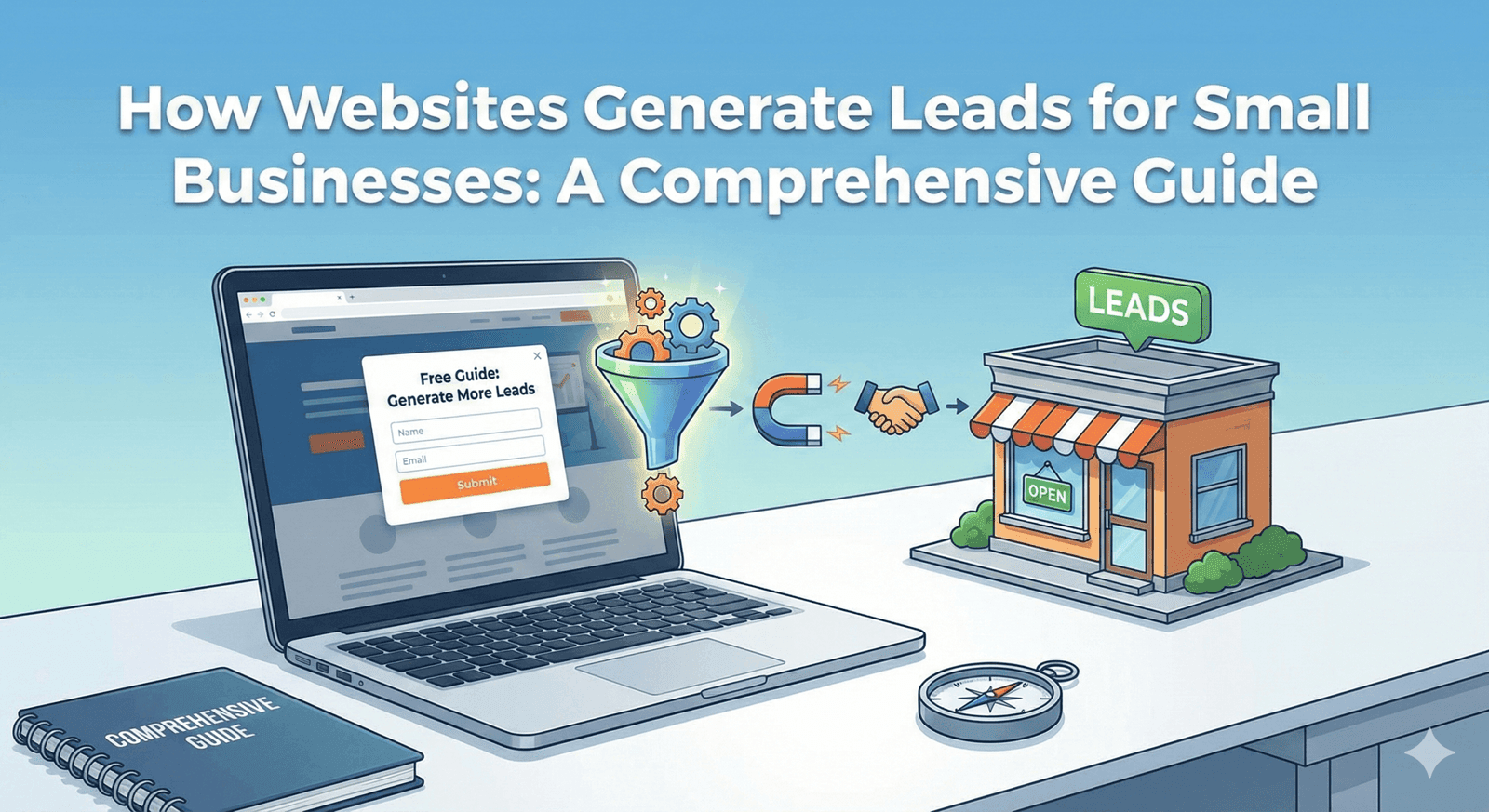
Understanding Lead Generation and Its Importance for Small Businesses
Lead generation is a multifaceted process aimed at attracting potential customers or leads to a business. For small businesses, mastering the art of website lead generation is critical, as it directly influences their ability to grow and expand. By building an effective lead generation strategy, small businesses can capitalize on opportunities to reach a wider audience and engage with prospects who have demonstrated interest in their products or services.
Leads are essential for business growth, serving as the foundation for a robust sales pipeline. Small enterprises often operate with limited resources and face the challenge of standing out in a competitive market. Therefore, focusing on generating high-quality leads is paramount. These leads can be categorized into two main types: marketing qualified leads (MQLs) and sales qualified leads (SQLs). MQLs are individuals who have interacted with a business’s marketing efforts, such as downloading a resource or subscribing to a newsletter, indicating their interest. SQLs, on the other hand, are leads that have been vetted by the sales team, showing intent to purchase or a higher likelihood of conversion.
The distinction between MQLs and SQLs is invaluable for small businesses, as it enables them to tailor their marketing and sales strategies effectively. By nurturing MQLs through targeted content and communication, businesses can gradually cultivate these leads into SQLs. This clear pathway not only streamlines the lead conversion process but also optimizes the allocation of resources within the company. Thus, understanding and implementing effective website lead generation techniques can significantly impact small businesses, facilitating sustainable growth and long-term success in their respective markets.
The Role of Websites in Lead Generation
In today’s digital age, a website serves as an indispensable tool for small businesses aiming to capture potential leads. A well-designed website operates as a 24/7 marketing asset, providing information and resources to prospective customers even when the business is offline. This constant availability is crucial for generating leads, enabling businesses to engage with customers worldwide at any time.
Having a robust online presence is not merely beneficial; it is essential. Customers now actively search for products and services online, and a strong website ensures that a business does not miss out on these opportunities. A website can be optimized to enhance visibility in search engines, driving organic traffic and ultimately leading to increased inquiries and conversions.
Several essential components of a website directly contribute to successful website lead generation. Firstly, landing pages are pivotal; they are designed with singular objectives, such as encouraging visitors to sign up for a newsletter or download a resource. These pages can serve as specialized gateways for capturing leads and must be crafted with clear messaging and appealing designs.
Additionally, the inclusion of call-to-action (CTA) elements is vital. These prompts guide users toward taking specific actions, such as contacting the business or filling out forms. Effective CTAs should be strategically placed and prominently displayed, ensuring that visitors can seamlessly move from passive browsing to engaged interaction.
Forms play another critical role in lead collection. They allow website visitors to express interest, sign up for a service, or request more information. A user-friendly and optimized website design can significantly impact completion rates for these forms, which in turn increases the potential for lead generation.
Strategies for Optimizing Your Website for Leads
To effectively drive website lead generation, small businesses must implement strategic enhancements to their websites. First and foremost, adhering to SEO best practices is vital to boost organic traffic. This involves optimizing meta tags, using appropriate keywords, and ensuring a mobile-friendly design. By improving search engine visibility, businesses can attract more potential customers to their websites, thereby increasing opportunities for lead conversion.
Another essential strategy is creating engaging content that resonates with your target audience. Informative blog posts, videos, and interactive tools can captivate visitors and encourage them to spend more time on your site. When visitors find value in the content, they are more likely to explore additional pages, which indirectly supports website lead generation. Thus, high-quality content not only aids in attracting traffic but also establishes credibility and trust with potential leads.
Enhancing user experience (UX) is equally crucial for reducing bounce rates and fostering conversions. A website that is easy to navigate, loads quickly, and presents a clear value proposition significantly improves chances of retaining visitors. Clear calls-to-action (CTAs) should be strategically positioned throughout the site to guide users towards taking desired actions, such as signing up for newsletters or accessing downloadable resources.
Furthermore, integrating lead capture tools is imperative for converting visitors into leads. Implementing features such as email subscriptions, lead magnets, and contact forms facilitate the collection of visitor information. These tools not only provide a platform for direct communication but also help in nurturing leads through targeted email marketing campaigns.
Incorporating these strategies into a cohesive lead generation plan can significantly enhance a small business’s ability to convert website traffic into valuable leads. Continuously analyzing the performance of these techniques will allow for ongoing optimization and adjustments that align with business goals.
Measuring and Analyzing Lead Generation Success
For small businesses, measuring and analyzing lead generation success via their website is crucial to determine the effectiveness of their marketing strategies. By focusing on various metrics, businesses can gain valuable insights into which strategies are working and which need optimization. Key metrics you should track include conversion rates, traffic sources, and visitor engagement levels.
First, conversion rates provide a clear picture of how well the website turns visitors into leads. This is typically measured as the percentage of visitors who complete a desired action, such as filling out a contact form or signing up for a newsletter. A higher conversion rate indicates that the website is effective at engaging visitors and guiding them toward becoming leads.
Next, understanding traffic sources is essential. This involves analyzing where visitors are coming from, whether through organic search, social media, email campaigns, or paid advertisements. By knowing which channels generate the most leads, businesses can focus their efforts and resources on the most fruitful avenues, enhancing their overall website lead generation strategy.
Additionally, visitor engagement levels can provide insights into how effectively potential leads are interacting with website content. Metrics such as average session duration, pages per session, and bounce rates can highlight areas of strength and concern. A high engagement level often correlates with a greater likelihood of conversion, suggesting that the content resonates with the audience.
To analyze these metrics effectively, small businesses can utilize various tools and analytics platforms such as Google Analytics, HubSpot, or other customer relationship management (CRM) systems. These platforms make it easier to collect data and generate reports, allowing businesses to interpret the information more clearly.
Ultimately, by continuously measuring and analyzing lead generation success, small businesses can adapt their strategies based on data-driven insights, optimizing their website for improved performance and higher conversion rates.