When Should a Small Business Invest in a New Website?
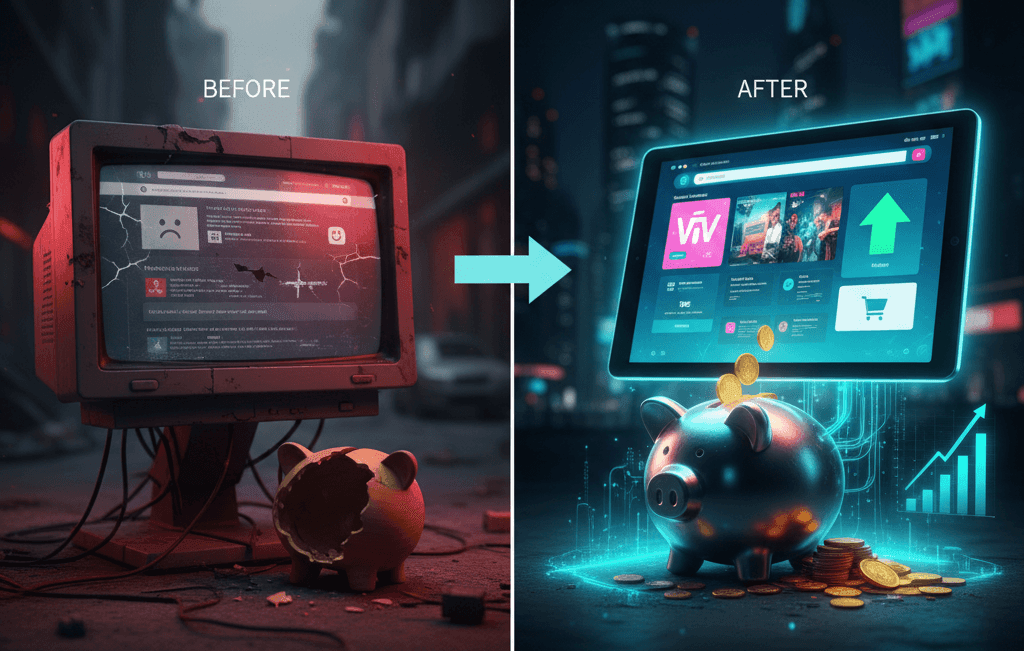
Understanding the Importance of a Website for Small Businesses
In today’s digital landscape, having a robust online presence is no longer optional for small businesses; it is essential. A well-designed website serves as the foundation of a business’s online identity, functioning as the primary point of contact between the business and its potential customers. According to a 2022 report by the National Small Business Association, approximately 70% of small businesses now have websites, reflecting the growing recognition of this indispensable tool.
A professional website not only facilitates better visibility but also enhances branding. It provides a platform for businesses to showcase their products or services, mission, and values, creating a lasting impression on visitors. For instance, companies with a strong web presence are often perceived as more credible and trustworthy. This perception can significantly influence purchasing decisions, with studies indicating that 75% of users admit to making judgments about a company’s credibility based on its website design.
Furthermore, an effective website fosters customer engagement by offering various channels for interaction. Features such as blogs, newsletters, and inquiry forms allow businesses to connect with customers, promoting dialogue and relationship-building. This strategy is crucial, considering that businesses that actively engage with customers online see a notable increase in loyalty and retention rates.
Notably, websites can drive sales by serving as an e-commerce platform. With an increase in online shopping, particularly accelerated by the COVID-19 pandemic, small businesses can tap into a wider market by selling products directly through their sites. A survey by BigCommerce revealed that 95% of all purchases will be made online by 2040, underscoring the dichotomy of having a website and driving future growth.
Signs That Indicate It’s Time for a New Website
Small businesses must continually assess their online presence to maintain competitiveness and customer engagement. One clear signal that it may be time to redesign a website is an outdated design. A website that looks dated can lead to negative perceptions about a brand’s credibility and professionalism. For example, if a business’s website showcases design elements from several years ago, such as clunky interfaces or overly flashy graphics, it may deter potential customers.
Another indication is slow loading times. In today’s fast-paced digital landscape, users expect websites to load in just a few seconds. If a business website takes longer than three seconds to load, it could lead to high bounce rates, where users leave before the page fully loads. For instance, websites laden with excessive images or poorly optimized code may struggle with load times, ultimately affecting user experience and search engine rankings.
Mobile responsiveness is also crucial for an effective business website upgrade. With the increasing use of smartphones for browsing, a non-responsive website presents a significant hurdle for users accessing it on mobile devices. A clear sign of an issue is if the layout appears distorted or requires unnecessary zooming on smaller screens. If a business’s website fails to utilize responsive design principles, valuable traffic could be lost.
Lastly, high bounce rates often denote a website that needs urgent attention. If analytics reveal that visitors are leaving a site quickly, it could indicate unengaging content or poor user experience. An example may be outdated information or a poorly organized layout making navigation difficult. Together, these signs should prompt a small business to consider when to redesign its website for a more effective online presence.
Benefits of Investing in a New Website
Investing in a new website can yield numerous benefits, especially for small businesses seeking to improve their online presence. A well-designed website not only enhances the user experience but also strengthens brand image and promotes business growth. One of the primary advantages is the significant improvement in user experience that a modern, well-structured website can provide. By ensuring easy navigation, faster load times, and mobile responsiveness, businesses can meet customers’ expectations, encouraging them to stay longer and explore the services offered.
Moreover, a fresh website design can boost the perception of a brand in the digital marketplace. Brands that invest in updating their websites frequently see a drastic improvement in how they are perceived by their customers. By presenting a polished, professional image, businesses can build trust and credibility, which are critical in converting visitors into customers. The modern aesthetics coupled with user-centered design often lead to lower bounce rates and higher engagement levels.
Search engine optimization (SEO) is another essential factor in considering when to redesign a website. An updated site can incorporate the latest SEO strategies, improving visibility on search engines and driving organic traffic. For instance, small businesses that have revamped their websites have reported increases in their rankings and significant growth in site visitors. One case study involved a local bakery that transitioned from an outdated website to a sleek, mobile-friendly platform; within months, they saw a 200% increase in online orders due to improved visibility and user experience.
Furthermore, a website upgrade directly influences conversions. With enhanced visuals, clearer calls to action, and easier checkout processes, businesses can significantly improve their conversion rates. Testimonials from various small business owners highlight the positive outcomes of investing in a new website, including increased sales and customer retention, underscoring the vital role that a modern, efficient website plays in today’s business landscape.
Steps to Take Before Launching a New Website
Before embarking on the journey of redesigning your business website, it is crucial to undertake a structured approach. First and foremost, small business owners should define clear goals for what they wish to achieve with the new website. This could range from increasing online sales to enhancing brand visibility or improving user engagement. Establishing these objectives helps in guiding the entire redesign process and provides a benchmark for success.
Next, budget considerations must be addressed. Understanding the financial implications of a business website upgrade is vital. Considerations should include the cost of web development, ongoing maintenance, and potential digital marketing campaigns. Setting a realistic budget not only ensures a smoother transition but also helps prevent overspending on features that may not align with the core objectives.
A significant step in the preparation is selecting the right web development team. Small businesses should look for a team with a proven track record of creating functional and aesthetically pleasing websites. It is advisable to evaluate their portfolio, inquire about their understanding of your industry, and check references from previous clients. A competent team can make a substantial difference in the effectiveness of the new site.
Moreover, conducting thorough market research can unveil valuable insights into industry trends and customer preferences. Understanding what competitors are doing well, as well as identifying gaps in the market, will better inform the design and functionality aspects of the website.
Lastly, do not overlook the importance of planning for ongoing maintenance. A website necessitates regular updates, security checks, and content refreshes. Establishing a plan for maintenance can mitigate potential issues in the future, ensuring the website remains current and functional.
To assist in this process, a concise checklist may include: defining goals, establishing a budget, selecting a web development team, conducting market research, and planning for ongoing maintenance. By following these steps, a small business can ensure that it is well-prepared to launch a new website successfully.