Why Cheap Websites Often Cost More in the Long Run
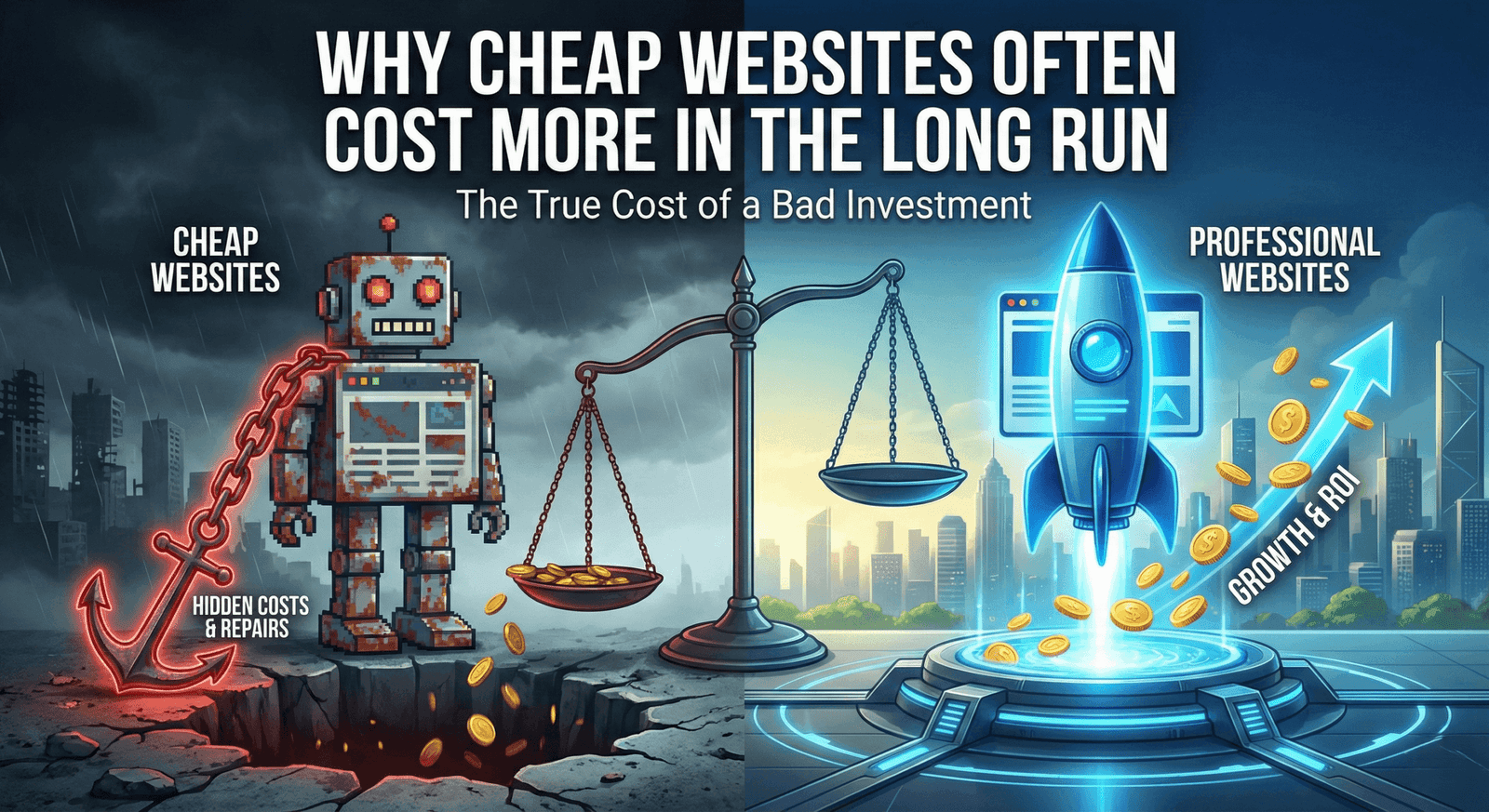
Introduction to the Hidden Costs of Cheap Websites
In today’s digital age, the prevalence of cheap websites appeals to many businesses seeking an online presence without the burden of significant investment. Budget constraints play a pivotal role in driving organizations towards low-cost website options. The allure of affordable rates is often accompanied by the promise of quick and easy setup, which can be particularly enticing for small businesses and startups aiming to establish themselves swiftly.
However, while the initial cost may seem attractive, the implications of choosing a low-cost website solution can lead to various long-term issues. Cheap website problems often arise from substandard design, unreliable hosting services, and limited technical support. Many businesses prioritize short-term savings without taking into account the potential long-term risks associated with such decisions. As a result, they may encounter multiple hidden costs that can accumulate over time, rendering the initial investment less effective.
One common factor contributing to these hidden costs is the lack of scalability in these inexpensive platforms. As businesses grow and their needs evolve, they may find themselves facing limitations that the low-cost alternatives cannot accommodate. This can require organizations to invest in a complete website overhaul sooner than anticipated, thereby negating any initial savings.
Additionally, security concerns tied to cheap website solutions can also pose significant risks. Many low-cost providers may offer limited security features, leaving sites vulnerable to cyber threats. The subsequent response to a data breach or loss can incur substantial financial repercussions for businesses, further illustrating the complexities surrounding low-cost website risks.
Ultimately, while the immediate appeal of a cheap website may seem beneficial, it is crucial for businesses to carefully consider not just the upfront costs but the overall implications for their brand and future growth.
Quality Versus Cost: Understanding Website Functionality and Design
When considering the creation of a website, the interplay between quality and cost is paramount. Organizations often gravitate towards cheap website solutions, tempted by the low price tags. However, these low-cost options can conceal significant drawbacks that may negatively impact businesses in the long run. A higher-quality website typically encompasses superior functionality and design, which are indispensable for a successful online presence.
Cheap websites often lack essential features that enhance user experience and increase engagement. For instance, a website built on a tight budget might not offer responsive design, which optimizes the viewing experience across various devices. Without this flexibility, potential customers may encounter issues accessing content on smartphones or tablets, leading to increased bounce rates and lost opportunities for conversions. Furthermore, low-cost websites might skimp on necessary functionalities, such as shopping carts or optimized search features, which can be detrimental for e-commerce platforms.
Moreover, the aesthetic quality of a website plays a crucial role in defining brand identity. Cheap website design frequently results in outdated layouts, poor navigation, and inadequate content presentation. This unprofessional appearance can erode customer trust and deter potential clients. For example, a well-designed website with an intuitive user interface can significantly boost customer engagement and satisfaction, thus fostering loyalty and, ultimately, revenue generation.
In addition to functionality and design issues, cheap websites often come with minimal customer support. As problems arise, businesses may find themselves without the assistance needed to navigate technical glitches or make necessary updates. These limitations can exacerbate the low cost website risks, hindering operational efficiency and further affecting customer experience. Therefore, it is essential to evaluate the long-term implications of investing in a quality website versus opting for an inexpensive alternative.
Ongoing Maintenance and Security Risks for Inexpensive Websites
When opting for a cheap website, business owners may overlook the significant ongoing maintenance costs and security risks that such platforms can entail. Low-cost website solutions often come with inadequate hosting services, leading to frequent downtimes that can disrupt business operations and alienate customers.
Moreover, cheap hosting plans typically require more frequent updates to software and plugins to ensure compatibility and functionality. This continuous need for maintenance can result in increased time and labor costs. Businesses might find themselves investing more effort into managing these updates than they initially anticipated, potentially negating any financial savings achieved through the low-cost website option.
A critical aspect of inexpensive websites is their vulnerability to security breaches. Cheaper platforms often lack robust security features, making them attractive targets for cyber threats. The expenses associated with dealing with a security breach can be substantial, including costs for recovery, potential legal liabilities, and reputational damage. Thus, the initial savings on a low-cost website can quickly escalate into significant financial burdens.
Furthermore, inadequate security measures can also lead to compatibility issues with third-party tools and systems, affecting the overall functionality of the website. These problems require additional resources to resolve and can further erode any budget-friendly advantages of a cheap website. Investing in ongoing maintenance and security adaptations from the beginning can prove invaluable, ensuring that the foundation of a website supports long-term growth instead of being riddled with complications.
Long-Term Impact on Brand Reputation and Customer Trust
Investing in a website often reflects a business’s commitment to quality and professionalism. A cheap website can pose significant risks to brand reputation and customer trust, which may ultimately overshadow its initial cost savings. A poorly designed website may frustrate users who expect a seamless and engaging experience. If a visitor encounters difficulties such as slow loading times, broken links, or unclear navigation, they are likely to perceive the brand as untrustworthy or unprofessional. This negative perception can deter potential customers from choosing your services, leading to a substantial loss in revenue over time.
Moreover, research has shown the strong correlation between website quality and consumer behavior. Studies indicate that nearly 75% of users judge a business based on its website design, making it a crucial factor in establishing credibility. Customers often gravitate toward brands that present themselves well online, as a professional digital presence fosters trust and reliability. In contrast, failing to prioritize website quality can communicate incompetence and deter consumer engagement. For instance, a low cost website could lead to a higher bounce rate, where visitors leave the page without any interaction, negatively influencing search engine rankings and further diminishing brand visibility.
As businesses seek to build long-lasting relationships with their customers, investing in a high-quality website can yield significant dividends. Enhanced customer retention, loyalty, and satisfaction are common outcomes of a well-designed digital presence. A respectable website not only attracts new customers but also encourages repeat visits, which is vital in ensuring sustained growth and profitability. Therefore, what may initially appear as an affordable solution in cheap website problems could create far-reaching repercussions for a company’s credibility and trustworthiness.