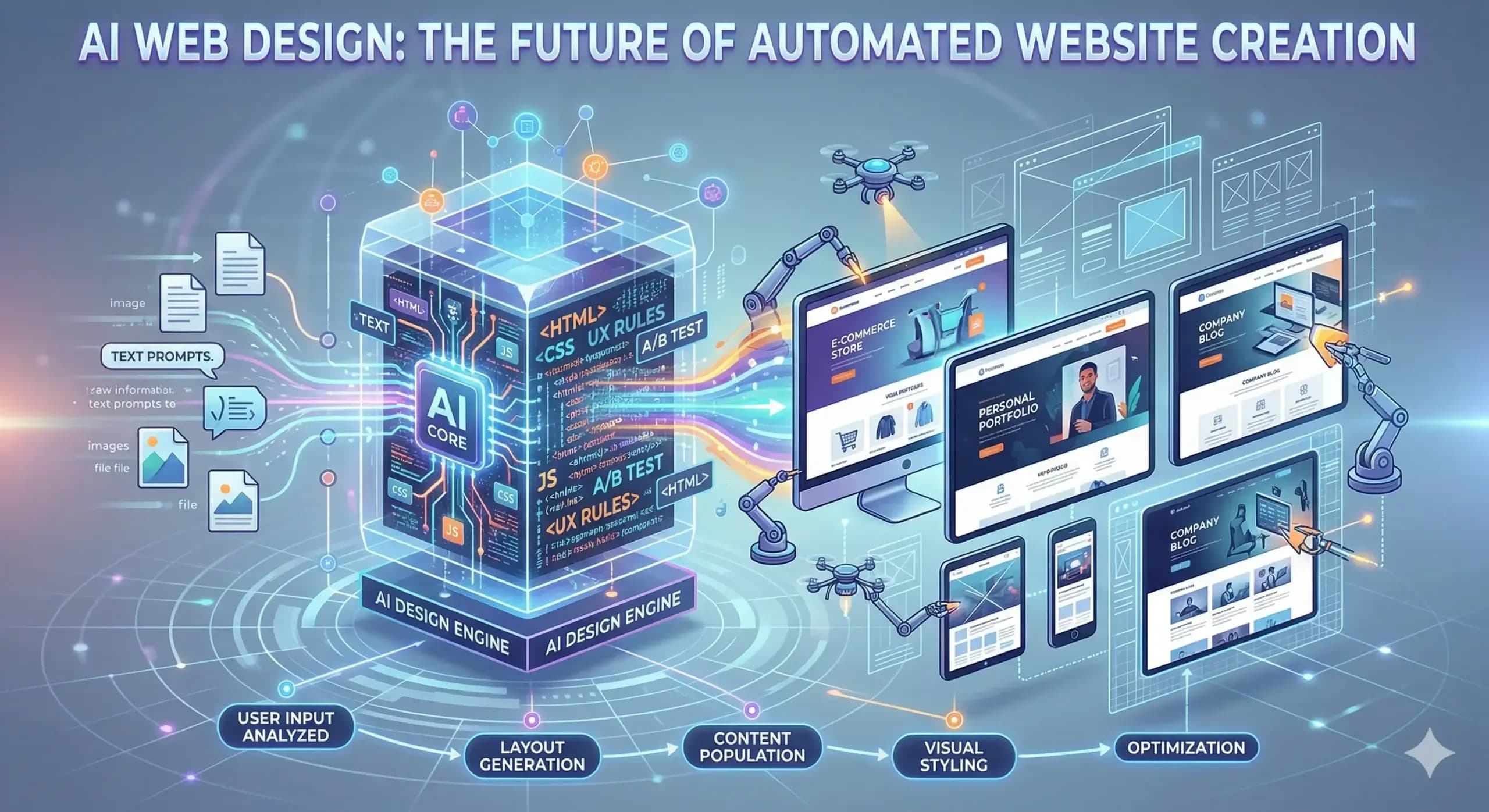
AI Web Design: The Future of Automated Website Creation
For many US small business owners, the promise of “automated website creation” sounds like a relief. You’ve likely seen the ads: “Build a site in minutes with AI.” But for a business owner struggling with a 2% conversion rate or a site that hasn’t moved from page four of Google, speed is a dangerous metric to prioritize over performance.
AI is no longer a futuristic concept; it is a core component of modern web development. However, the gap between a generic AI-generated template and a high-performance “digital trace” is where your ROI lives or dies.
The Rise of AI Web Design: Efficiency vs. Strategy
AI web design tools have democratized the ability to launch a site, but they have also flooded the market with “cookie-cutter” digital presences. While these tools can generate layouts and placeholder copy, they often lack the strategic nuance required to convert a skeptical visitor into a lead.
The problem isn’t the AI; it’s the lack of human-led strategy behind it. At Digital Trace, we view AI as an accelerator, not a replacement. A website must do more than look modern—it must function as a high-speed sales engine.
Why “Good Enough” is Costing Your Business Revenue
When you rely solely on entry-level website builders companies, you often inherit technical debt that isn’t visible until your traffic plateaus.
- Page Speed & Core Web Vitals: AI builders often inject bloated code. Page speed isn’t just a technical metric; it’s a psychological one. If your site takes longer than three seconds to load, your potential customer has already moved to a competitor.
- The SEO Ceiling: Automated tools struggle with deep-level SEO architecture, such as proper schema markup and siloed content structures that tell Google exactly what you do and where you do it.
The Hybrid Approach: Human Expertise + AI Precision
Choosing a professional website creation company means moving beyond templates. It means utilizing AI for data analysis—identifying heatmaps of where users click—while using human designers to craft an aesthetic that aligns with your brand’s authority.
Navigating US Standards: ADA Compliance and Mobile-First Indexing
In the US market, your website faces specific legal and technical requirements that most automated builders overlook:
- ADA Compliance: Ensuring your site is accessible to users with disabilities isn’t just a best practice; it’s a legal necessity to avoid predatory litigation.
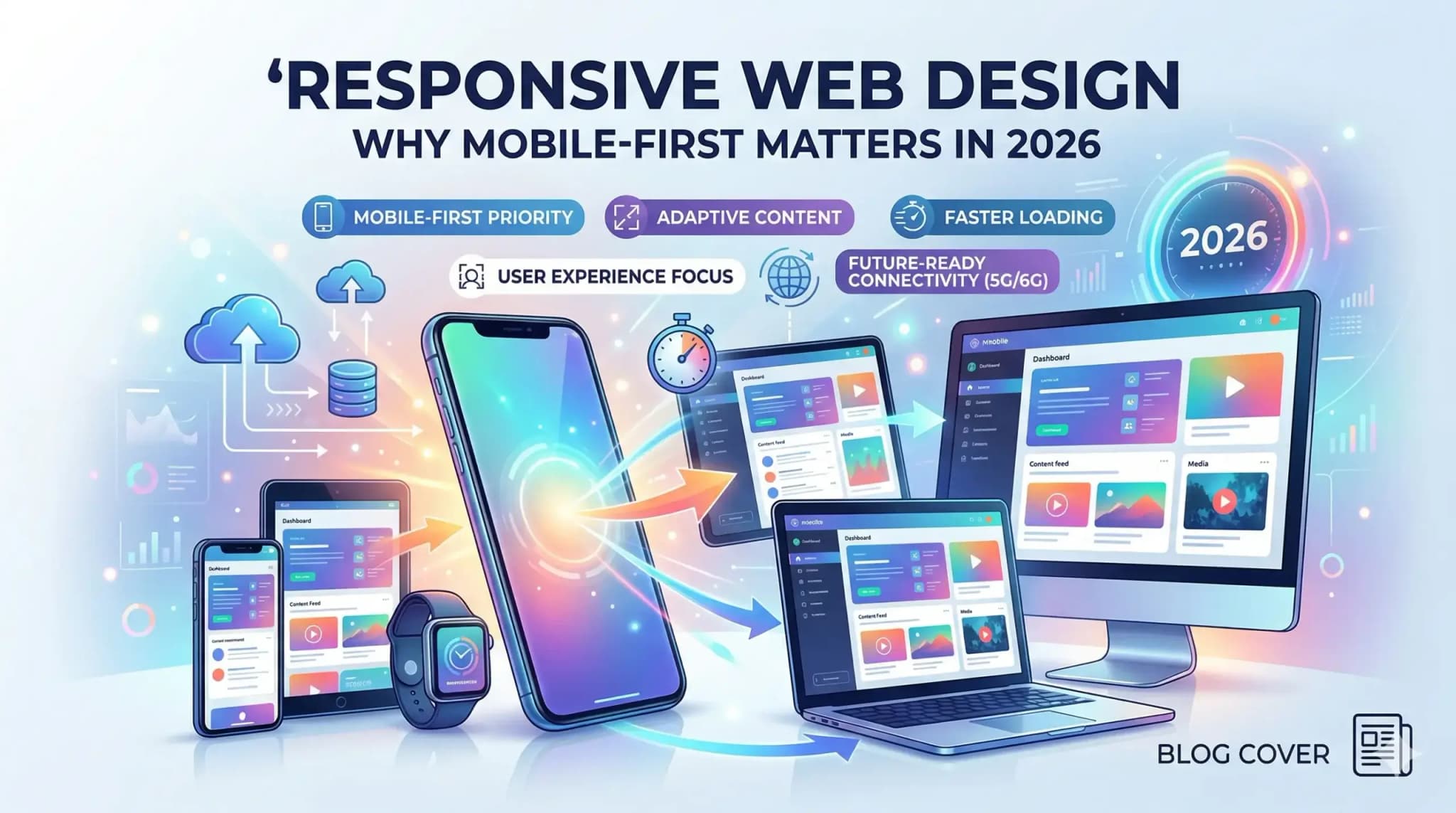
- Mobile-First Indexing: Google primarily uses the mobile version of your content for indexing and ranking. A site that “looks okay” on mobile but fails on touch-target size or layout shifts will be penalized.
- Local SEO Logic: For businesses serving specific US regions, your site needs localized metadata and Google Business Profile integration that AI tools often generate too generically.
Why Technical Performance is the New Branding
High-end aesthetics draw people in, but technical performance keeps them there. A beautiful site that is slow is like a showroom with a locked door.
We focus on the intersection of UX (User Experience) and technical SEO. This includes:
- Conversion Rate Optimization (CRO): Placing calls-to-action (CTAs) based on user behavior data, not guesswork.
- Clean Code Architecture: Reducing “Total Blocking Time” to ensure a seamless experience on any device or network speed.
Optimize Your Digital Trace
The future of website creation isn’t just about AI; it’s about how AI is harnessed to create a superior user experience. If your current website feels like a digital brochure rather than a lead-generation tool, it’s time to move beyond the limitations of basic builders.
Don’t let an outdated “digital trace” hold your business back. Your website should be your hardest-working employee.
Ready to see the data behind your site’s performance? Book a Free Website Audit with Digital Trace today. Let’s analyze your speed, SEO, and conversion paths to build a strategy that scales.