What to Look for in a Professional Web Designer
Most small business owners view a website as a one-time expense—a digital checkbox to be ticked. However, if your current site isn’t generating leads or reflects an outdated version of your brand, it isn’t an asset; it’s a liability.
The gap between a “pretty” website and a high-performing revenue driver is wide. To bridge it, you need more than a freelancer who can navigate a template. You need a professional web designer who understands the intersection of high-end aesthetics and technical ROI.
1. A Focus on Performance Over Just Aesthetics
A common mistake is hiring a designer based solely on a portfolio of “cool” visuals. While branding is vital, a professional website designer must prioritize the metrics that Google and your customers care about.
Speed and Core Web Vitals
Page speed is no longer just a technical metric; it’s a conversion killer. A one-second delay in mobile load times can impact conversion rates by up to 20%. Look for a partner who discusses “Core Web Vitals” and “clean code” as much as they discuss color palettes.
Conversion Rate Optimization (CRO)
The best website design website isn’t the one with the most animations; it’s the one that guides a user seamlessly from the landing page to the contact form. Your designer should be able to explain the “why” behind every button placement and call-to-action (CTA).
2. Mastery of the US Digital Landscape
The US market has specific technical and legal requirements that generic offshore services often overlook. A professional must be well-versed in these standards to protect your business and improve visibility.
ADA Compliance
In the US, web accessibility is a legal necessity. Failing to meet WCAG (Web Content Accessibility Guidelines) doesn’t just alienate potential customers with disabilities; it opens your business to predatory litigation.
Mobile-First Indexing
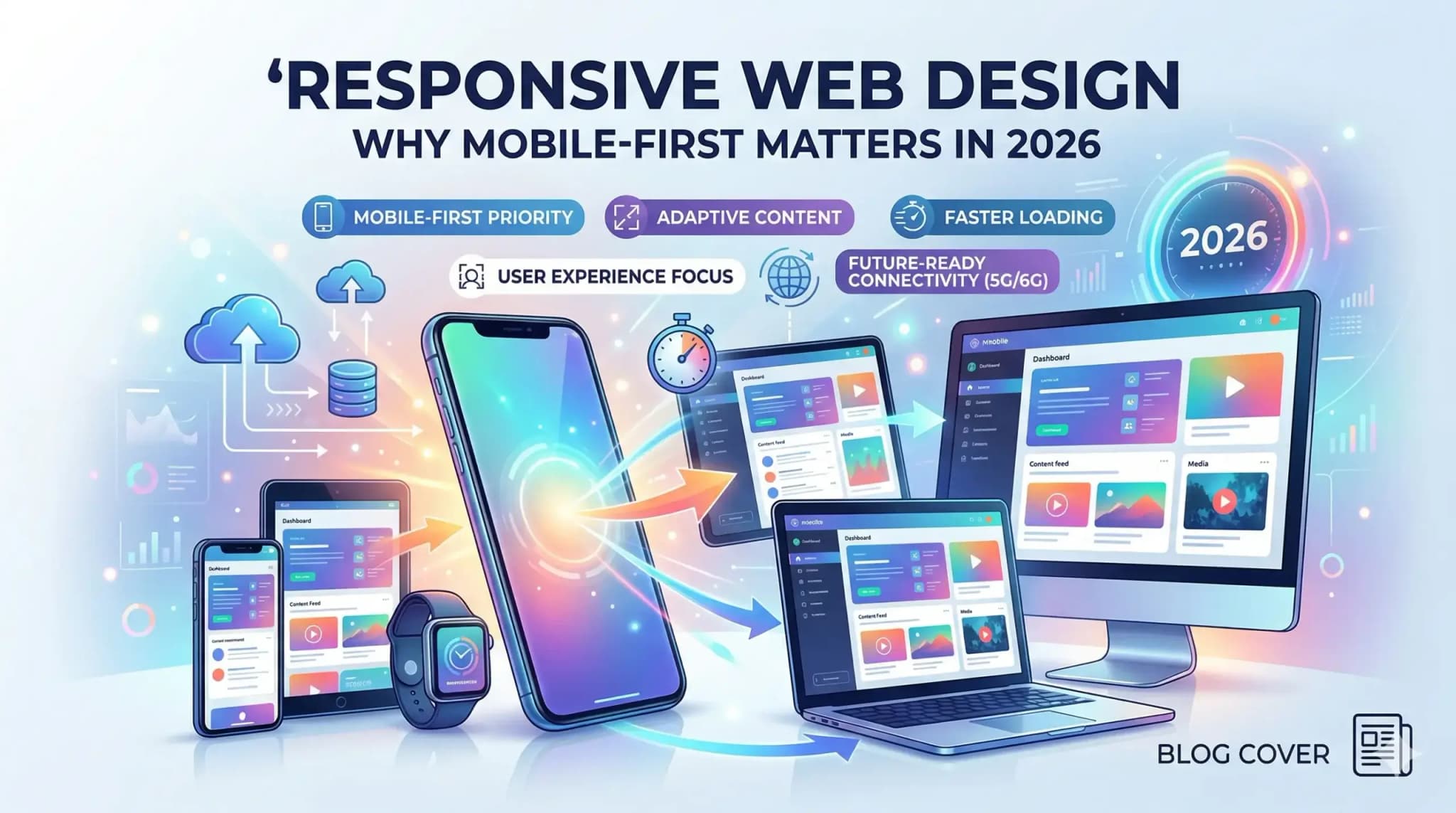
Google primarily uses the mobile version of your site for indexing and ranking. If your designer treats mobile as an “afterthought” or a scaled-down version of the desktop site, your local SEO will suffer.
3. Integrated SEO Strategy
Design and SEO are inseparable. A professional web designer ensures the site architecture is built for search engines from day one. This includes:
- Proper Header Hierarchy (H1-H6): Ensuring content is readable for both humans and bots.
- Schema Markup: Helping search engines understand your business type, location, and services.
- Clean URL Structures: Avoiding “junk” URLs that confuse users and crawlers.
4. Transparent Process and Long-Term Scalability
Avoid designers who “black box” their process. You need a partner who provides a clear roadmap—from wireframing and UI/UX design to testing and launch.
Furthermore, ensure the site is built on a scalable platform. You should own your assets. A professional will build your site in a way that allows you to update content without needing a developer for every minor text change.
5. Identifying the Best Website Design Website for Your Needs
When reviewing portfolios, don’t just look for industry fit. Look for diversity in functionality. Does the designer understand how to handle complex lead forms, e-commerce integrations, or localized landing pages? The best designers show you the “Before and After” of their clients’ traffic and lead volume, not just the screenshots.
Optimize Your Digital Trace
Your website should be your hardest-working employee. If it’s currently underperforming, it’s time to stop settling for “good enough” and start designing for growth.
Is your website working for you or against you? Get a Free Website Audit from Digital Trace today. Let’s analyze your performance, SEO, and UX to turn your “digital trace” into a dominant market presence.