Roofing Website Development: Build a Site That Books Jobs
Roofing website development is the process of building a roofing contractor’s site from the ground up — structure, code, page speed, and lead capture — so it books jobs instead of just looking good. A well-built roofing site loads in under three seconds, converts on mobile, and turns searchers into signed estimates.
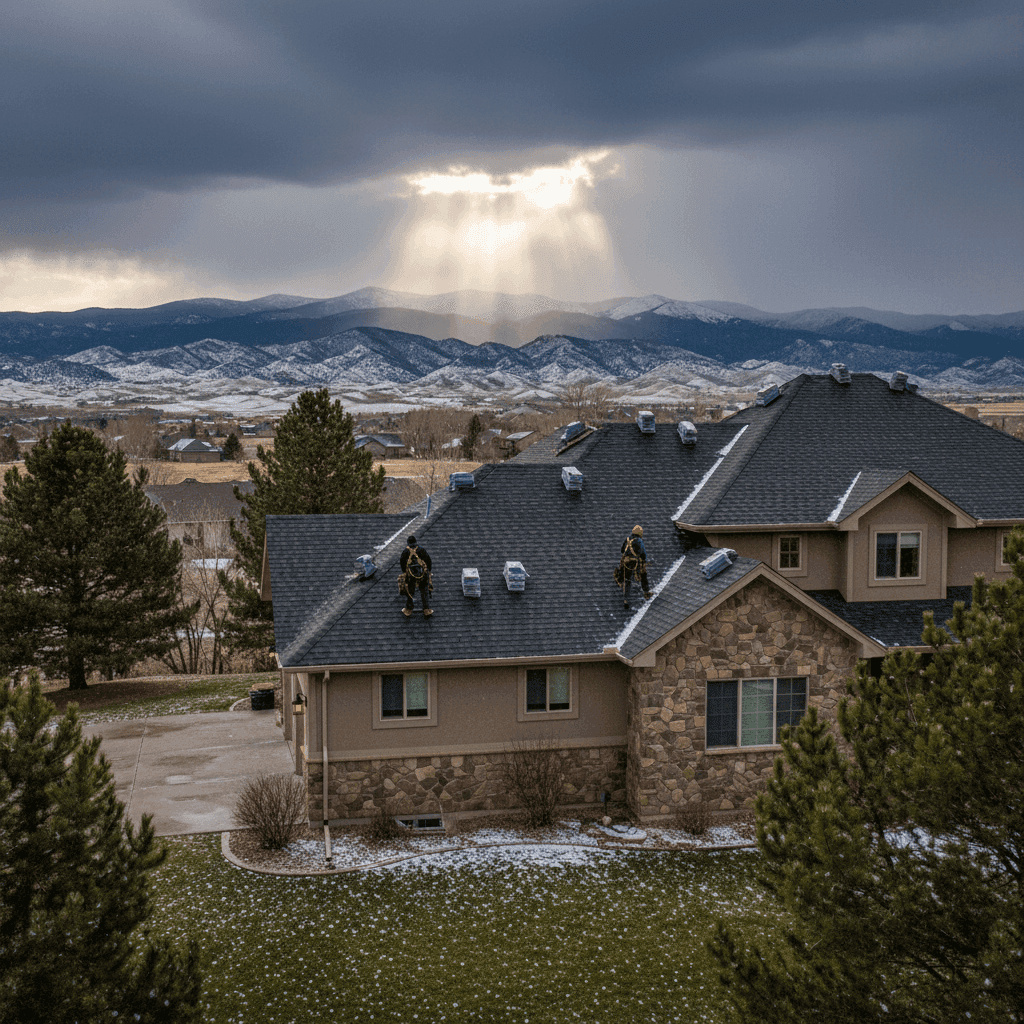
Right now, most roofing sites lose the job before the phone ever rings. A homeowner searches after a hailstorm, taps your listing, waits four seconds for the page to load, and hits back before your hero image finishes rendering. That’s a $12,000 tear-off walking to the next roofer on the list — and it happens dozens of times a month on a site that was never built to convert.
What roofing website development actually includes
People use “web design” and “roofing website development” as if they’re the same thing. They’re not. Design is what the site looks like. Development is what the site does — how fast it loads, how it behaves on a phone, and whether it captures a lead or leaks one.
A real roofing website build covers five things:
- Architecture — a page structure that ranks: service pages, service-area pages, and a homepage built around booking, not bragging.
- Code and performance — clean, lightweight code that loads fast on a contractor’s real audience: homeowners on phones, on cell data, in a driveway.
- Mobile conversion path — tap-to-call, sticky quote buttons, and forms that work with a thumb.
- Lead capture and automation — forms wired to your CRM, instant lead alerts, and follow-up that fires before the homeowner calls a competitor.
- SEO and AI foundation — schema markup, fast Core Web Vitals, and content structured so Google and AI answer engines quote you.
Skip any one of these and the site becomes an expensive brochure. That’s the difference between a page that looks finished and one that’s actually built to generate roofing leads.
Custom development vs a template builder
Every roofer hits this fork: drag-and-drop it yourself on a template builder, or have it custom developed. Templates get you live in a weekend for a few hundred dollars. The ceiling shows up fast — bloated code, slow mobile load, no real lead automation, and a layout ten thousand other contractors already use.
| Criteria | Custom roofing website development | Template / DIY builder |
|---|---|---|
| Page speed (mobile) | Under 3 seconds, tuned for Core Web Vitals | Often 5–8 seconds from plugin and theme bloat |
| Mobile conversion path | Built around tap-to-call and sticky quote CTAs | Generic layout; CTAs buried below the fold |
| Lead capture & automation | Forms wired to CRM, instant alerts, follow-up | Basic email form; no routing or speed-to-lead |
| SEO & AI visibility | Schema, clean markup, structured to be quoted | Limited control; shared, duplicated structure |
| Scales with your service area | Add city pages and services cleanly | Gets messy and slow as pages pile up |
| Ongoing cost | Managed hosting and maintenance included | Cheap monthly fee, but you’re the developer |
Template builders aren’t worthless — they’re fine for a brand-new solo operator testing whether they’ll stick with roofing at all. But once you’re spending on ads or chasing storm work, the DIY ceiling starts costing more in lost jobs than a real build ever would. We broke the math down in roofing website builder vs. hiring an agency.
If your current site takes more than three seconds to load on a phone, that’s the first thing a free audit will flag — and the fastest job you’re losing. See how our roofing website design service handles the build.
The technical foundation that books jobs
Speed is not a vanity metric for roofers — it’s a lead metric. Google’s research found that as mobile page load time goes from one second to three seconds, the probability of a bounce increases 32% (Think with Google). Every extra second gives the homeowner another chance to hit back and call the next roofer.
Mobile-first, not mobile-friendly
Most of your traffic is a homeowner on a phone, often standing under a damaged roof. If the number isn’t tap-to-call and the quote button isn’t thumb-reachable, the build failed — no matter how sharp it looks on your laptop. Slow, clunky sites bleed jobs; we covered the fixes in roofing website speed.
Structured to be found in AI answers
Homeowners now ask ChatGPT and Google’s AI Overviews “who’s the best roofer near me.” Those engines pull from sites with clean schema, clear service-area content, and direct answers. A custom build bakes that structure in. A template usually can’t.
Lead capture and automation: where jobs get booked
A roofing site’s job isn’t traffic. It’s a booked inspection. That happens in the plumbing behind the page — the part template builders skip.
A properly developed roofing site wires the form straight into your CRM, alerts you the second a lead comes in, and starts follow-up automatically. Add an AI sales agent that answers questions at 11 p.m. and a missed-call text-back so a rung-out phone still books the job, and the site works the hours your crew can’t. Speed-to-lead is the whole game — the first roofer to respond usually wins the estimate, and automation is how you’re always first.
Timeline and what it costs
A custom roofing website build typically runs four to eight weeks: discovery and structure, design, development and integrations, then testing and launch. Rushed two-week builds usually skip the integration and speed work — the exact parts that book jobs.
Pricing tracks scope: number of pages, service-area coverage, and how much automation you wire in. A real build is an investment measured against a single roof replacement, not against a $20-a-month template. See current tiers on our roofing website pricing page.
How to vet a roofing website developer
Screenshot this. Before you sign with anyone, ask:
- Do you build custom, or drop me on a template? Templates cap your speed and your leads.
- What will my mobile load time be at launch? If they can’t answer in seconds, they don’t measure it.
- Where do my leads go? The answer should be your CRM with an instant alert — not a shared inbox.
- Do you build in schema and AI-answer structure? This is how you show up when homeowners ask AI for a roofer.
- Is hosting and maintenance included? A fast site that isn’t maintained slows down within a year.
- Have you built for roofers specifically? Storm work, insurance restoration, and service-area SEO aren’t generic.
A developer who answers these cleanly is worth more than one who just shows you a pretty mockup.
Frequently asked questions
What’s the difference between roofing website design and development?
Design is how the site looks — colors, layout, photos. Development is how it works — the code, load speed, mobile behavior, and lead capture behind it. A roofer needs both, but development is what turns a nice-looking page into one that actually books inspections and estimates.
How much does roofing website development cost?
It depends on page count, how many service areas you cover, and how much automation you build in. Think of it against one roof replacement, not a monthly template fee. A custom build that books two extra jobs a month usually pays for itself in the first quarter. See our pricing page for current tiers.
How long does it take to build a roofing website?
A proper custom build runs about four to eight weeks — discovery, design, development and integrations, then testing and launch. Anything promising a full, lead-ready roofing site in a few days is usually skipping the speed and automation work that makes it convert.
Can’t I just use a website builder for my roofing company?
You can, and for a brand-new solo operator it’s a fine starting point. The ceiling comes fast: slow mobile load, weak lead capture, and a layout thousands of other contractors share. Once you’re spending on ads or storm work, the lost jobs cost more than a real build would.
Will a new roofing website help me rank on Google?
A fast, well-structured build is the foundation ranking sits on — clean code, service-area pages, schema, and strong Core Web Vitals. It won’t rank on its own without ongoing SEO, but a poorly built site actively holds your rankings back no matter how much you invest.
Build a roofing site that actually books jobs
Your website is the one salesperson working every storm, every night, every weekend. If it’s slow, generic, or leaking leads, it’s costing you jobs you already paid to attract.
Get a free website audit. We’ll show you your real mobile load time, where your current lead-capture path breaks, and whether you show up when homeowners ask AI for a roofer in your city — no obligation. Request your free roofing website audit.