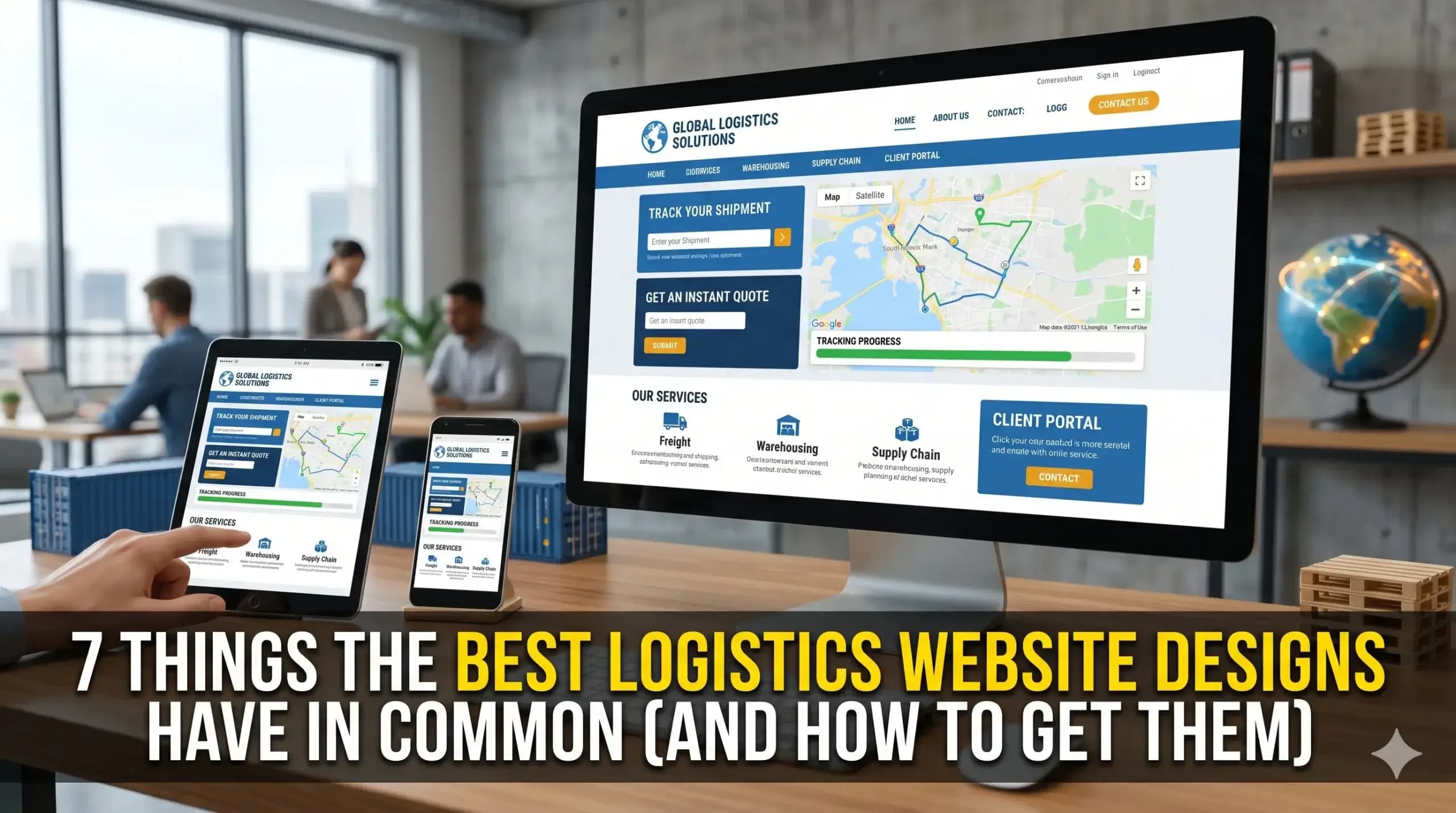
7 Things the Best Logistics Website Designs Have in Common (And How to Get Them)
You’ve got the trucks, the team, and the track record. But your phone isn’t ringing the way it should — and you’re watching competitors pick up jobs that should be yours.
Most logistics business owners assume the problem is their pricing, or that they just need more reviews. Rarely do they look at the real culprit: their website. Not just how it looks, but how it works — or doesn’t.
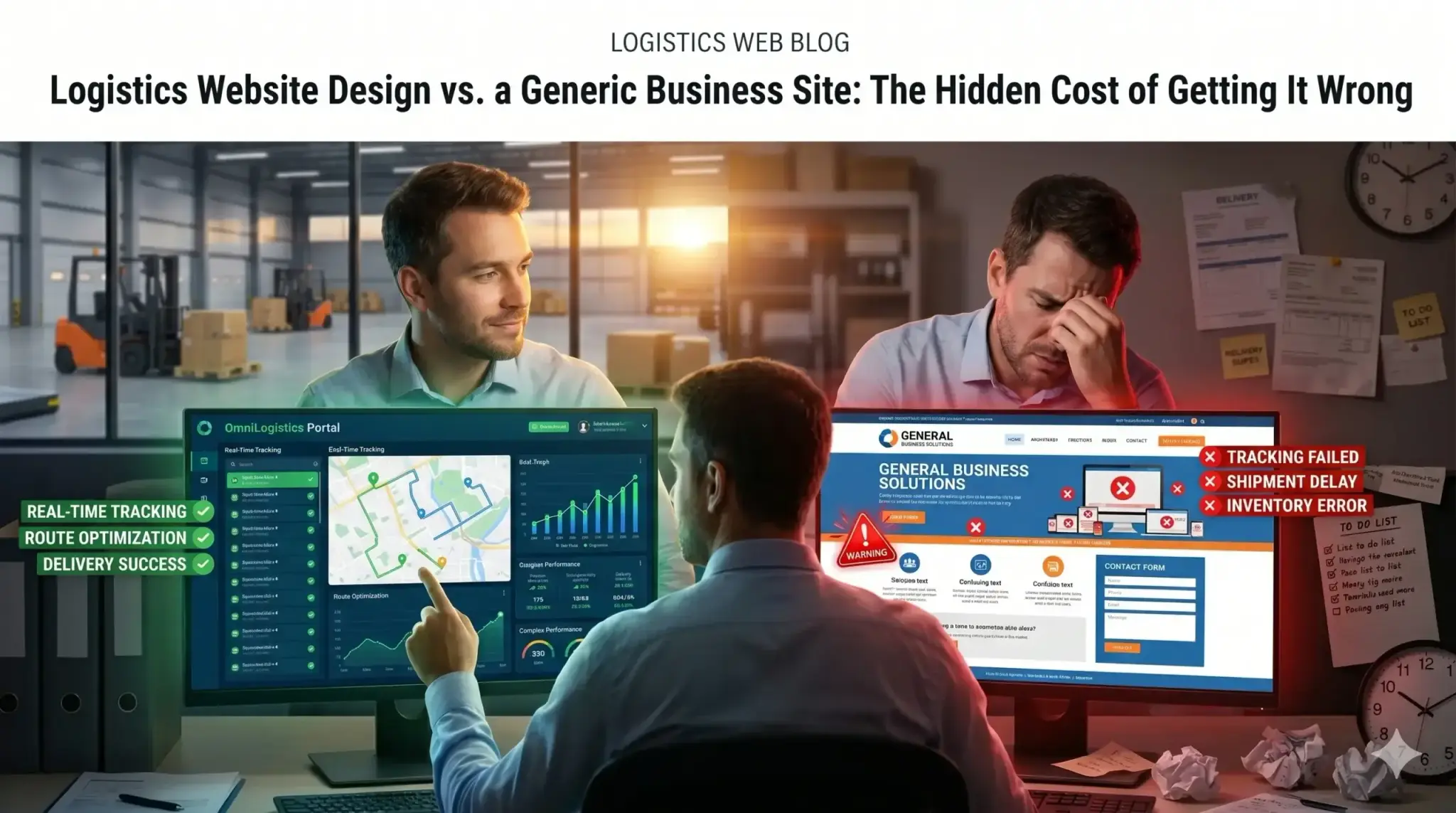
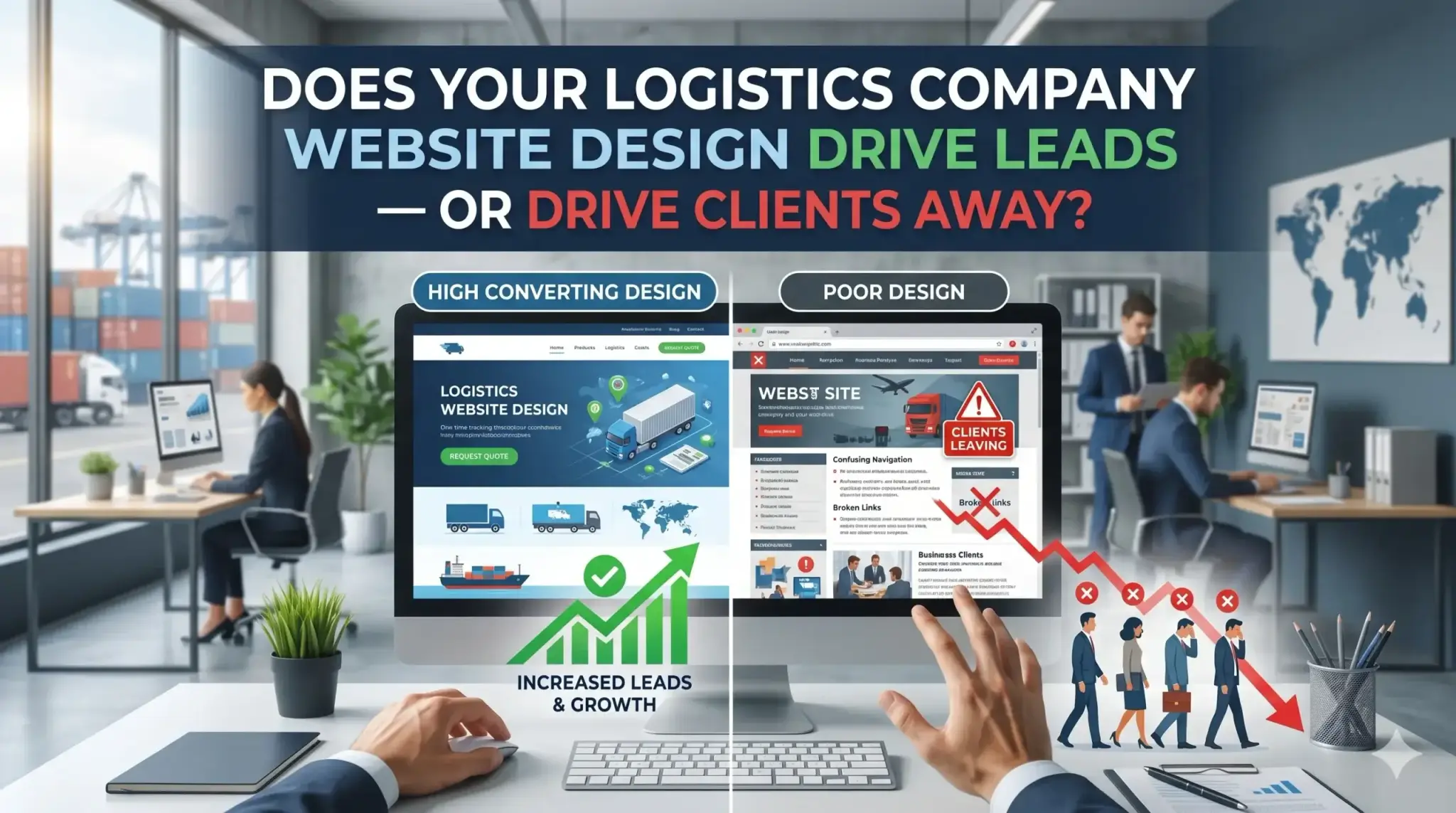
Here’s the truth: a logistics company’s website isn’t a digital business card. It’s a 24/7 sales rep. And if it’s slow, unclear, or hard to use, it’s quietly costing you freight contracts, fleet inquiries, and warehouse clients every single week.
This guide breaks down the seven things that separate high-performing logistics company website designs from the ones that just sit there collecting digital dust — and shows you exactly what to do about each one.
1. They Load Fast — Because Slow Sites Kill Deals Before They Start
Think about how your customers find you. They’re a procurement manager or operations director under deadline pressure. They pull up three tabs at once, comparing logistics providers. If your site takes more than three seconds to load, they’re already reading your competitor’s page.
Speed isn’t a “nice to have.” Studies consistently show that over half of all web visitors leave a page that takes longer than three seconds to load — and in a B2B context, that’s a qualified lead walking out the door before you even knew they were there.
The technical reason is usually fixable: uncompressed images, bloated code, cheap hosting, or a theme loaded with features nobody uses. The business impact is immediate and ongoing.
What the best logistics websites do: They’re built lean and fast — optimized images, clean code, and hosting matched to the site’s actual traffic needs. At Digital Trace, every site we build for logistics companies is performance-tested before it goes live.
2. They Make It Obvious What You Do — Within Five Seconds
Your homepage has one job before anything else: tell a visitor exactly what you do, who you serve, and why they should care. Not in three paragraphs. In a headline and a supporting line.
Most logistics websites fail this test badly. They lead with vague language like “Your trusted logistics partner” or a stock photo of a highway at sunset — and leave the visitor doing detective work to figure out if you actually handle their type of freight, their geography, or their volume.
A confused visitor doesn’t call. They leave.
What works instead: A clear headline that names the service and the customer. Something like: “Nationwide LTL Freight Solutions for Mid-Size Manufacturers.” That sentence alone tells a shipper whether they’re in the right place — and if they are, they keep reading.
3. They’re Built for the Phone — Not Just the Desktop
More than 60% of B2B buyers now research vendors on mobile devices. That includes the warehouse manager comparing 3PL quotes from their phone while walking the floor. If your site isn’t built for mobile from the ground up, you’re invisible to a huge slice of your potential clients.
“Mobile-friendly” isn’t the same as “mobile-optimized.” Friendly means it technically works on a phone. Optimized means it’s easy to navigate, fast to load, and designed so that tapping “Call Now” or “Request a Quote” feels effortless — not like solving a puzzle.
The test: Pull up your own site on your phone right now. Can you find your phone number in under five seconds? Is the quote form easy to fill in with your thumbs? If not, you already know the problem.
4. They Build Trust Before Asking for Anything
Here’s the psychology of a logistics buyer: they’ve been burned before. A carrier missed a pickup. A 3PL lost track of a pallet. They’re not going to hand their supply chain to a company they just found on Google unless they trust you.
The best logistics websites understand this and front-load proof: years in business, industries served, geographic coverage, certifications, equipment lists, and real client results. They don’t hide this in an “About” page buried in the navigation. It’s visible on the homepage and every service page.
What trust signals actually matter for logistics:
- Specific industries or freight types served (not just “all cargo”)
- Coverage map or service area
- Carrier ratings or compliance certifications (FMCSA, ISO, etc.)
- Named clients or recognizable logos (where permitted)
- Photos of your actual fleet, facility, or team — not stock imagery
Generic claims like “industry-leading service” do nothing. Specifics do everything.
5. They Have One Clear Next Step on Every Page
Walk through the average logistics company website and count how many different things it asks you to do. Call us. Email us. Get a quote. Fill out this form. Follow us on LinkedIn. Subscribe to our newsletter. Read our blog.
That’s decision paralysis in action. When visitors have too many options, they pick none.
The best logistics websites choose one primary action per page — and make that action impossible to miss. For most logistics companies, that action is “Request a Quote” or “Get a Free Consultation.” Everything on the page is designed to move the visitor toward that one click.
💡 Pro Tip: The single most common mistake logistics companies make is putting their contact form only on the Contact page. By the time a visitor navigates there, most have already left. Put a short, 3-field quote request form directly on your homepage — Name, Company, What They Need. That alone can double your inquiry rate from the same traffic.
6. They Use Language Their Customers Actually Use
This one sounds obvious, but most logistics websites are written the way the owner thinks about their business — not the way their customers search for it.
A shipper looking for help doesn’t type “integrated supply chain solutions provider.” They type “freight broker for automotive parts” or “cold chain logistics Florida.” If your website doesn’t use the words your customers use, Google won’t show you to them — and the ones who do land on your site won’t recognize themselves in what you’ve written.
What this means in practice:
- Use the actual names of freight types, industries, and routes you serve
- Write service pages that speak to the customer’s specific pain point, not your internal terminology
- Match your language to how your target customer describes their own problem
Web design for logistics companies done right means the copy, structure, and keywords all work together — not just the visuals.
7. They’re Structured So Google Understands Them
Your site could check every box above and still be invisible on Google if it’s not structured correctly on the technical side. This doesn’t mean stuffing in keywords. It means giving Google the information it needs to confidently match your business to the right search query.
Think of it this way: Google is a massive freight matching platform. It’s trying to connect a shipper (someone searching) with the right carrier (your website). If your “load details” are incomplete — no location signals, no service descriptions, no clear page hierarchy — Google puts you at the back of the queue.
The technical fixes are straightforward: proper page titles, structured data that tells Google your business type and location, internal linking between your service pages, and a clean site map. None of this requires you to understand code. It does require someone who knows what they’re doing.
What This Looks Like in the Real World
A regional flatbed carrier in the Midwest was generating solid revenue from existing clients but struggling to win new ones online. Their website was five years old, built on a template, and loading in over six seconds on mobile. Their homepage said “Quality Service, On Time, Every Time” — which told a visitor exactly nothing.
After a full rebuild — faster hosting, mobile-first design, homepage copy that named their freight type and service area, and service pages optimized for the searches their buyers were actually running — the results shifted within 90 days. Organic inquiries more than doubled. Their average monthly quote requests went from 4–5 to over 20. More importantly, the quality of leads improved: callers were already sold on what the company did before they picked up the phone.
That’s what happens when a website does its job.
Not sure if your logistics website has these issues? Get a free website audit — no obligation, just a clear picture of what’s costing you leads.
Your Path to More Leads: 5 Steps That Actually Work
You don’t need to overhaul everything overnight. Here’s a clear sequence:
- Test your site speed. Use Google’s free PageSpeed Insights tool. If your mobile score is under 70, you have a problem worth fixing immediately.
- Read your homepage like a stranger would. Cover your logo and ask: does this tell me what the company does, who they help, and why I should care — in under 10 seconds?
- Check your mobile experience. Open your site on your own phone. If finding your phone number or filling out a form is frustrating, it’s frustrating for your leads too.
- Audit your trust signals. Is there specific proof on your homepage — industries, certifications, real numbers — or just generic claims?
- Get a professional review. A 15-minute audit with someone who builds logistics websites for a living will tell you more than hours of guessing on your own.
Frequently Asked Questions
Why am I not getting calls from my website even though I get some traffic?
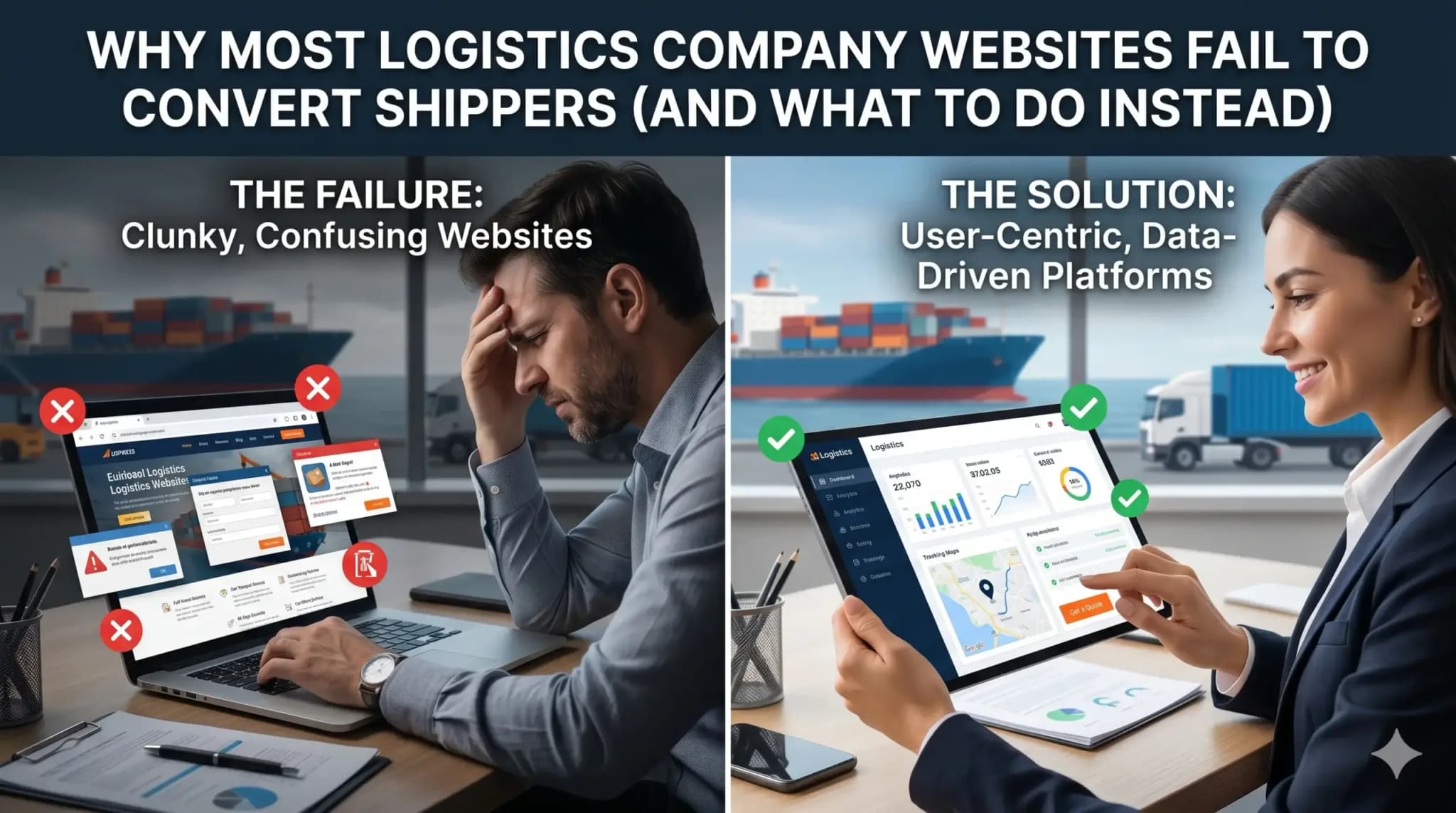
Traffic and leads are two different things. You can have hundreds of visitors a month and get zero calls if your site doesn’t load fast, make your value clear, or have an obvious next step. Most logistics websites have at least two or three of these problems working against them at once. A free audit will show you exactly where visitors are dropping off and why.
How do I know if my logistics website is actually working?
If you can’t answer these three questions, your site probably isn’t working: How many quote requests did you get last month from your website? Where do those visitors come from? Which pages are they landing on? If you don’t have Google Analytics or Search Console set up, you’re flying blind — and fixing that is the first step.
How long does it take to see results from a new logistics website?
For most logistics companies, you’ll see meaningful changes within 60–90 days of a properly built and optimized site going live. Early wins are often faster loading times and improved local visibility. Organic search rankings for competitive terms take longer — typically 3–6 months — but the compounding effect over time is where the real value is.
What makes a logistics website different from a regular business website?
Logistics buyers are skeptical, detail-oriented, and often making large financial decisions. They need to see proof of capability before they’ll trust you with their freight or supply chain. A generic website template doesn’t accommodate service-specific pages, coverage maps, freight type breakdowns, or the trust signals that actually move a logistics buyer to pick up the phone. The structure, copy, and conversion flow all need to be tailored to how logistics buyers think and search.
Do I really need a fast website if most of my clients come from referrals?
Referrals are great — until they slow down. And even referred prospects check your website before they call. A slow, outdated, or confusing site can lose you a referral-sourced deal before you ever get a chance to pitch. More importantly, a fast and well-structured site opens up organic search as a second revenue channel — one that works while you’re running operations, not just when someone happens to recommend you.
What does “website design for logistics companies” actually include?
Done right, it includes strategy (what the site needs to accomplish and for whom), copywriting in logistics-specific language, performance optimization, mobile design, SEO structure, and conversion elements like quote forms and clear calls to action. It’s not just making something that looks professional — it’s building something that generates qualified inquiries consistently.
Ready to See What Your Website Is Actually Costing You?
Every week your current site stays as-is, it’s quietly turning away qualified freight clients, fleet inquiries, and warehouse contracts who found you — and then left.
The fix doesn’t start with a big commitment. It starts with clarity.
Get your free website audit — we’ll review your logistics website, show you exactly what’s working against you, and give you a clear picture of what’s possible. No sales pressure. No jargon. Just answers.